

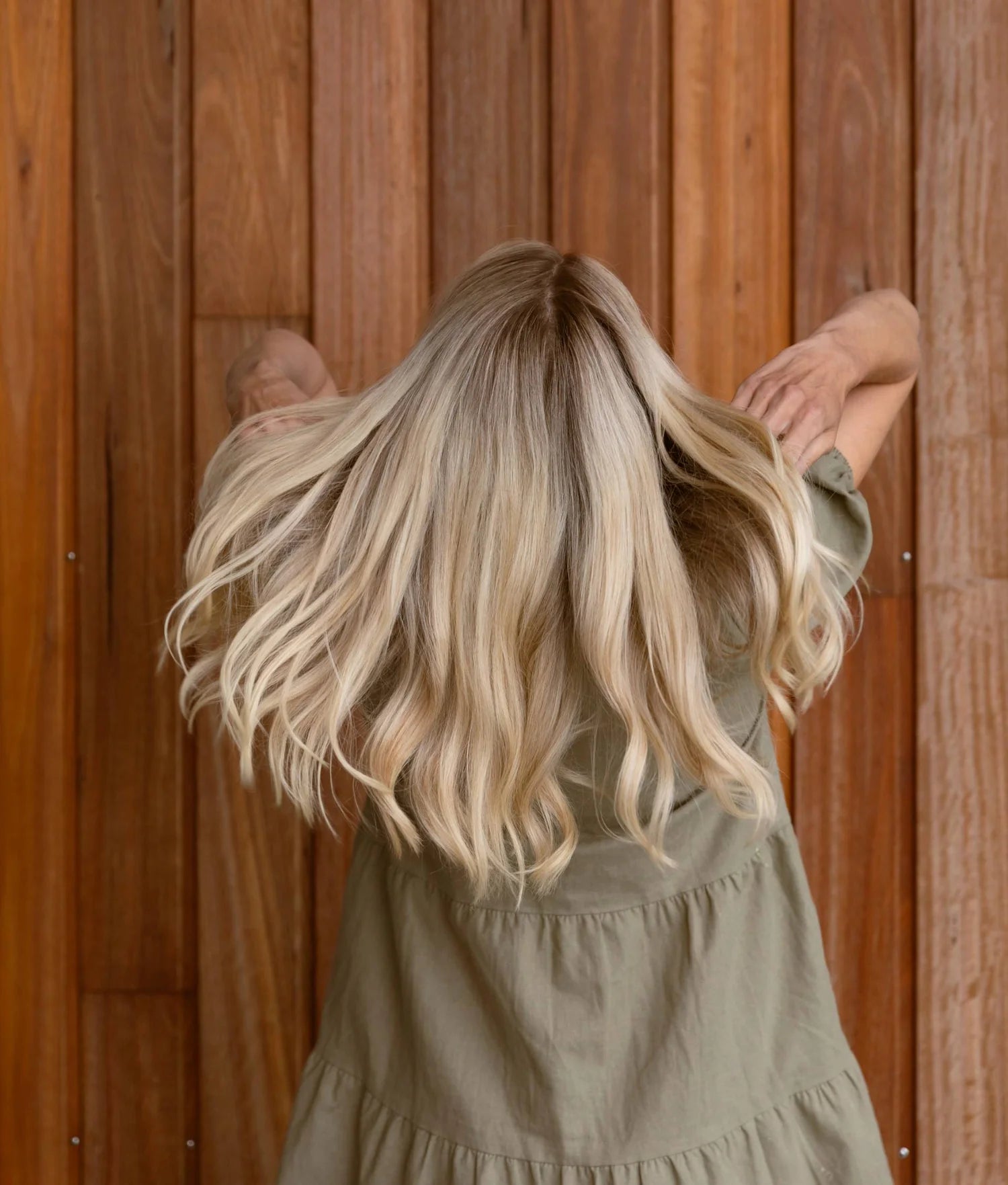

Must-Have Haircare Essentials for Your Beauty Routine
Good hair doesn't happen by accident. It comes down to using the right products, in the right order, for your hair type. Whether your concern is hair growth, damage repair, or simply keeping your scalp healthy, these are the must-have haircare essentials that should be in every beauty routine. Start With the Right Shampoo and Conditioner The foundation of any healthy hair routine is a shampoo and conditioner suited to your hair type. Fine or oily hair benefits from a lightweight, clarifying formula that can remove excess oil without stripping the scalp. Thick, coily hair or dry hair needs something more moisturising to restore softness and prevent breakage. If you're unsure where to begin, our guide on types of shampoo and what they do breaks it all down clearly. For those focused on hair growth and scalp health, choosing a shampoo formulated to support thicker, stronger strands can make a genuine difference over time. When washing, use lukewarm water rather than hot water. Hot water lifts the hair cuticle and strips natural oils, leaving hair more prone to frizz and damage. If you're looking for a shampoo built around hair growth, REGROW offers options for both women and men, formulated with saw palmetto, caffeine, biotin, and niacinamide, and free from sulphates, silicones, and parabens. Conditioner and Leave-In Treatments Conditioner isn't optional. It seals the hair cuticle, adds shine, and restores moisture after cleansing. Apply from the mid lengths down to avoid weighing down the roots, and rinse with cool water to help lock in hydration. For extra nourishment, a leave-in conditioner applied to damp hair can work wonders for dry hair, bleached hair, or any hair that needs a little more love between washes. It helps prevent frizz, supports detangling, and protects the hair shaft from everyday friction. To complement your shampoo, we offer nutrient-rich, silicone-free conditioners for both women and men, designed to reduce breakage and support hair density as part of a daily routine. Hair Masks and Protein Treatments Hair masks are one of the most effective hair treatment products you can add to your routine. Used once or twice a week, they deliver deep moisture and can help repair damaged hair from heat tools, colouring, or environmental stress. If your hair feels limp, weak, or is prone to breakage, a protein treatment can help rebuild the structure of the hair shaft and restore strength. This is especially useful for bleached hair or anyone dealing with significant hair loss or thinning. For a weekly treatment option, the REGROW Overnight Hair Growth Mask is formulated with biotin, niacinamide, Kakadu plum extract, and Acai Oil. Apply to dry or damp hair, leave for 30 minutes or overnight, then shampoo and condition as normal. Heat Protection Is Non-Negotiable If you use heat tools regularly, heat protectants are essential. Applying a heat protection product to damp hair before blow drying or styling shields the hair cuticle and reduces heat damage caused by extreme heat. Skipping this step leads to split ends, dryness, and over time, visible deterioration in hair texture and shine. Make this part of your daily styling routine. No exceptions. Scalp Care and Hair Oils Healthy hair starts at the scalp. Product buildup, excess oil, or a dry flaky scalp can all affect hair growth and your hair's overall appearance. A scalp massage (especially with a dedicated brush) can stimulate circulation and support a healthier environment for hair to grow. Hair oils applied to the mid lengths and ends help add shine and seal in moisture without adding weight. Natural oils like argan and jojoba are great options for most hair types. If you have fine hair or oily hair, use sparingly and keep away from the roots to avoid weighing strands down. For a targeted daily scalp treatment, REGROW offers Hair Health Tonics for women and men, delivering caffeine, saw palmetto, chilli fruit extract, biotin, and niacinamide directly to the scalp. Spray onto a clean, dry scalp, massage in, and leave to absorb. No rinsing needed. Dry Shampoo and Styling Products Dry shampoo is a practical staple for anyone with fine or oily hair. It absorbs excess oil, adds a little body, and extends the life of a blowout without heat drying. Just be mindful of product buildup if you use it frequently, and follow up with a proper wash to keep the scalp clean. When it comes to styling products, less is often more. Choose formulas suited to your hair texture and hair concern, whether that's controlling frizz, adding volume, or preserving vibrancy in colour-treated hair. Tools Matter Too The right tools protect your hair as much as the right products. A wide tooth comb is ideal for detangling wet hair without snapping strands. Wet hair is at its most vulnerable, so always work from the ends up and avoid aggressive brushing. For those wanting to manage flyaways without extra product, take a look at our breakdown of why you get flyaways and how to fix them for practical, low-fuss fixes. Don't Skip Regular Trims Regular trims are one of the most overlooked parts of a healthy hair routine. Trimming every 8 to 12 weeks removes split ends before they travel further up the hair shaft, which means less breakage and healthier-looking hair overall. It won't speed up growth on its own, but it absolutely helps your hair look and feel its best. Put It All Together A strong hair care routine doesn't have to be complicated. It needs to be consistent and tailored to your hair's unique needs. Start with the right shampoo and conditioner, protect from heat, nourish with masks and oils, and care for your scalp. Those steps alone can transform your results over time. At REGROW UK, we've developed a range of products designed to support every step of your hair care routine, from strengthening shampoos to targeted scalp treatments for both men and women. The easiest way to get started is with one of our treatment packs, which include the shampoo, conditioner, and tonic together for both women and men. Explore our full collection and find what your hair has been missing. Frequently Asked Questions How long does it take to see results from a new hair care routine? Most people notice a difference in scalp comfort and hair texture within a few weeks of consistent use, though visible changes to thickness and growth typically take longer, often several months. Hair grows in cycles, so patience and consistency matter more than any single product. Can I use a hair mask and a leave-in conditioner in the same routine? Yes. They serve different purposes: a leave-in conditioner is a light, daily step for detangling and frizz control, while a hair mask is a deeper, weekly treatment for repair and moisture. Using both simply means layering short-term maintenance with longer-term care. Do I need different products for oily and dry hair? Generally, yes. Oily or fine hair benefits from lighter, clarifying formulas that won't weigh strands down, while dry or coily hair needs richer, more moisturising products. Using a formula suited to your hair type makes every other step in your routine more effective. How often should I wash my hair? This depends on your hair type and lifestyle. Oily hair may need washing every day or two, while dry or textured hair often does better with two to three washes a week. Overwashing can strip natural oils, so it's worth adjusting based on how your scalp feels rather than following a fixed schedule. Is it necessary to use a heat protectant every time I style? Yes, if you're using heat tools regularly. Skipping heat protection, even occasionally, allows heat to damage the hair cuticle over time, leading to dryness, split ends, and reduced shine. It only takes a few extra seconds to apply and is one of the simplest ways to prevent long-term damage. Will trimming my hair regularly help it grow faster? Not directly. Trims don't affect the rate of growth at the root, but they do remove split ends before they travel further up the strand, which prevents breakage and keeps hair looking healthier for longer. Can scalp care really make a difference to hair growth? A healthy scalp is a genuinely important foundation for healthy hair. Keeping the scalp clean, well-circulated, and free from product buildup creates a better environment for hair to grow, which is why scalp treatments and massage are worth building into a routine rather than treating as optional extras.
Learn more
Fine Hair vs Thin Hair: What’s the Difference?
Most people use fine and thin as if they're the same word. They're not, and the difference matters more than you'd think. Getting this wrong means buying the wrong products, following the wrong advice, and wondering why your hair still doesn't look or feel the way you want it to. What Does Fine Hair Actually Mean? Fine hair refers to the diameter of each individual strand. A single fine hair strand is physically narrow, smaller in circumference than a normal or coarse strand. Roll one between your fingers and you can barely feel it. That near-invisibility is the hallmark of fine hair. Fine hair says nothing about how much hair you have. Someone with fine hair could have a full head of densely packed strands. High-density hair that is fine in texture can still look voluminous, but those individual strands are fragile, prone to breakage, and quick to fall flat without the right products. Fine hair versus coarse hair comes down purely to strand width. Coarse hair has a wider diameter, which is why it tends to feel rougher and hold its shape more easily. What Does Thin Hair Actually Mean? Thin hair refers to density, meaning how many strands exist across the scalp. Thin hair means fewer hairs per square inch, not necessarily that each strand is narrow. Someone with thin hair might have perfectly normal strand thickness but simply fewer strands overall, which leaves more scalp visible and makes hair appear less full. A simple way to gauge it: pull your hair into a ponytail. If the circumference is over four inches, density is on the higher side. Less hair in that tie points to low density. Hair density is largely genetic, but it can also be affected by hormonal changes, stress, and conditions like androgenetic alopecia. If you're noticing more strands on your pillow or in the shower drain than usual, that could be a sign of thinning rather than simply having naturally thin hair. Our article on the signs and symptoms of hair loss covers what to watch for in more detail. Can You Have Fine and Thin Hair at the Same Time? Yes, and this is where it gets tricky. Fine and thin hair together means both low strand thickness and low density. This combination gives the least volume to work with and makes the scalp particularly visible. It also tends to be the hair type most affected by product buildup and heavy formulations, which weigh down the little hair that's there. On the other end, fine hair with high density can look quite full when cared for correctly, even though each strand is delicate. Understanding which combination you're dealing with changes everything about how you approach your routine. How to Care for Fine or Thin Hair Styling Fine Hair The goal with fine hair is to build volume and body without weighing individual strands down. Avoid heavy creams, oils, and silicone-laden products that coat the strand and cause it to collapse. This is exactly why REGROW formulas are free from silicones, sulfates, and parabens. Lightweight mousses and volumising sprays work far better. Blow dry with a round brush from the roots for lift, and style while hair still has a little moisture in it for the best hold. Styling Thin Hair Styling thin hair is about creating the appearance of more density. Applying product at the roots adds texture and separates strands so less scalp shows through. A side parting rather than a centre parting distributes hair more evenly across the scalp. Avoid pulling thin hair into tight styles that flatten it against the head and make the scalp more visible. Choosing the Right Shampoo For both hair types, the shampoo you use matters enormously. Sulfate-based cleansers strip the scalp of its natural oils and can worsen both fragility and thinning over time. REGROW's Women's Shampoo and Men's Shampoo are formulated without sulfates, parabens, silicones, or artificial colours. Active ingredients like caffeine, niacinamide, saw palmetto, and biotin work to support the scalp and hair at the follicle level, not just at the surface. Our guide on types of shampoo and what they do is worth reading if you want a deeper breakdown. It's also worth understanding why these ingredients matter. Our blog on why silicones, sulfates, and parabens are harmful to hair goes into the full picture. Supporting Hair Growth If you're dealing with thin or thinning hair, scalp health is as important as what you do to the strands themselves. A healthy scalp environment supports better growth at the follicle level. This means choosing active ingredients that reduce inflammation, improve circulation, and keep the follicle environment clean and unobstructed. REGROW's full hair growth system, including shampoo, conditioner, and tonic, is built specifically for this. The Women's Tonic and Men's Tonic are designed to be used alongside the cleansing and conditioning steps, working at the scalp level to support thicker, healthier-looking hair over time. Fine Hair vs Thin Hair: A Quick Summary Fine hair is about strand thickness. Thin hair is about density. You can have one without the other, or both at the same time. Knowing the difference means you can stop guessing and start treating the actual issue. At REGROW UK, every product in our range is formulated specifically for real hair concerns, whether that's adding volume to fine strands, supporting a thinning scalp, or both. Free from the ingredients that cause damage and built around activities that actually work. Because every strand you have deserves the best. Frequently Asked Questions Is it possible to have fine hair but not thin hair? Yes. Fine hair describes the width of each strand, while thin hair describes how many strands you have overall. Someone can have narrow, fine strands packed densely across the scalp, which still gives the appearance of fullness even though each individual hair is delicate. How can I tell if my hair is fine, thin, or both? A simple starting point is the ponytail test: gather your hair into a tie and measure the circumference. A thicker ponytail usually points to higher density, while a thinner one suggests lower density. Separately, rolling a single strand between your fingers gives you a sense of its width. If you can barely feel it, that strand is fine. Does fine or thin hair mean I'm losing hair? Not necessarily. Having naturally fine or thin hair is simply a hair type, not a sign of hair loss. That said, if you're noticing more shedding than usual, such as extra strands on your pillow or in the shower drain, that's worth paying attention to separately from your natural hair type. Should fine hair and thin hair be treated the same way? Not exactly. Fine hair benefits from lightweight products that add volume without weighing strands down, while thin hair benefits from techniques that create the appearance of density, such as root-lift styling or a side parting. There's overlap in good practice for both, but the goals are slightly different. Can product buildup make fine or thin hair look worse? Yes. Heavy creams, oils, and silicone-based products tend to coat the strand and weigh it down, which is especially noticeable on fine or low-density hair. Lighter, buildup-free formulas tend to work better for both hair types. Will switching products actually make a visible difference? It can, particularly when the switch addresses what's actually causing the issue. Choosing lightweight, sulfate-free formulas suited to fine or thin hair, along with scalp-supportive ingredients, is a meaningful step, though results build gradually with consistent use rather than overnight.
Learn more
6 Foods That May Block DHT and Fight Hair Loss
DHT (dihydrotestosterone) is one of the leading causes of hair thinning in both men and women. When DHT levels rise, hair follicles shrink and over time they stop producing hair altogether. While no food alone can reverse hair loss, certain DHT blocker foods may help slow DHT production and support a healthier scalp environment. Here is what the evidence currently says about the best options to include in your diet. What Is DHT and How Does It Cause Hair Loss? DHT is an androgen hormone produced when an enzyme called 5-alpha reductase converts testosterone into DHT. When DHT binds to hair follicles, it triggers a process called miniaturisation. Follicles progressively shrink, produce thinner strands, and eventually stop growing hair entirely. This is the mechanism behind androgenetic alopecia, commonly known as male pattern baldness or female pattern hair loss. If you want a deeper understanding of how this process works, our guide on DHT and hair loss covers it in full. Reducing DHT levels naturally, or slowing its production, may help protect hair follicles and slow further hair loss. DHT Blocker Foods Backed by Research 1. Pumpkin Seed Oil: The Strongest Food-Based Evidence Pumpkin seed oil is the most robustly studied food-based DHT blocker. A 2014 randomised controlled trial published in Evidence-Based Complementary and Alternative Medicine found that men who took pumpkin seed oil for 24 weeks saw a 40% increase in hair count compared to a placebo group. The mechanism is thought to involve inhibition of the 5-alpha reductase enzyme. How to use it: One to two tablespoons of pumpkin seed oil daily, used in salad dressings or taken as a supplement, is the dose used in most research. Whole pumpkin seeds are a good dietary source, though the oil form appears to deliver more concentrated benefit. 2. Green Tea: A Natural 5-Alpha Reductase Inhibitor Green tea contains epigallocatechin gallate (EGCG), a well-studied antioxidant shown in laboratory research to inhibit 5-alpha reductase activity and reduce DHT production. EGCG also supports healthy blood circulation, which is important for nutrient delivery to hair follicles. How to use it: Two to three cups of green tea per day is a reasonable dietary target. Matcha provides a more concentrated EGCG dose if you prefer a single daily drink. 3. Soy-Based Foods: Isoflavones and DHT Inhibition Soy protein contains isoflavones, which are plant compounds that may reduce DHT levels by inhibiting 5-alpha reductase. Some studies have found associations between soy isoflavone intake and reduced androgen activity. This makes soy-based foods particularly relevant for those managing female pattern hair loss, where androgen sensitivity plays a significant role. How to use it: Tofu, edamame, tempeh, and unsweetened soy milk are all practical sources. It is worth noting that current evidence is largely based on cell and animal studies; large-scale human trials are still limited. 4. Turmeric: Targeting the Androgen Hormone Pathway Curcumin, the active compound in turmeric, has demonstrated the ability to decrease testosterone production and reduce the conversion of testosterone into DHT in research settings. It also has well-documented anti-inflammatory properties, which may benefit scalp health by reducing the low-grade inflammation often associated with hair follicle miniaturisation. How to use it: Curcumin is poorly absorbed on its own. Consuming turmeric with black pepper, which contains piperine, significantly improves bioavailability. One teaspoon of turmeric in food daily, or a curcumin supplement standardised to 95% curcuminoids, are common approaches. 5. Lycopene-Rich Foods: Tomatoes, Watermelon, and Guava Lycopene is a carotenoid antioxidant found in tomatoes, watermelon, pink grapefruit, and guava. Research, primarily in the context of prostate health, has linked lycopene intake to reduced 5-alpha reductase activity. Since the same enzyme drives DHT-related hair loss, these findings are potentially relevant for the scalp too, though direct hair loss trials are lacking. How to use it: Cooked tomatoes, such as in passata or roasted tomatoes, provide more bioavailable lycopene than raw. Aim to include lycopene-rich foods several times per week as part of a varied diet. 6. Coconut Oil: Topical and Dietary Support Coconut oil is rich in medium-chain triglycerides (MCTs), which some research suggests may interfere with the conversion of testosterone into DHT. Its benefit for hair health is arguably stronger as a topical treatment. Coconut oil penetrates the hair shaft more effectively than most other oils, reducing protein loss and protecting follicles from damage. How to use it: Use in cooking as a substitute for other oils, or apply a small amount directly to the scalp as a weekly treatment. As a dietary DHT blocker, the evidence is less robust than pumpkin seed oil or green tea. Diet Is Just One Piece of the Puzzle Incorporating DHT blocker foods into your daily routine is a smart and natural step toward managing hair loss, but diet works best as part of a broader approach. For more on building a hair-friendly diet, take a look at our guide to healthy foods for stronger hair. Alongside a balanced diet, the right topical products can make a real difference to scalp health and hair vitality. At REGROW UK, our hair care range is formulated with proven, purposeful ingredients that complement a hair-friendly lifestyle. Our sulfate-free, paraben-free, silicone-free shampoos and men's and women's Hair Tonics are powered by saw palmetto, a scientifically recognised DHT inhibitor, alongside caffeine extract, which has been shown to stimulate hair follicles and support healthy hair growth. We also include Australian rosemary and nettle extract to improve scalp circulation, niacinamide to support follicle health, and biotin to encourage stronger, healthier hair. Every ingredient is chosen with purpose, and nothing harmful makes the cut. REGROW UK is one of the best natural hair care systems available, and the formulas back that up. Whether you are in the early stages of hair thinning or looking to take a more proactive approach, pairing a DHT-conscious diet with REGROW UK's natural topical solutions gives your hair the strongest possible support from both inside and out. Explore the full REGROW UK collection and take the next step toward a healthier scalp. Frequently Asked Questions Can food alone stop or reverse hair loss caused by DHT? No single food or diet change can stop DHT-related hair loss on its own. The foods discussed here may help support a healthier scalp environment and, in some cases, slightly reduce DHT production, but they work as a complement to a wider routine rather than a standalone fix. How long does it take to see results from dietary changes? Hair growth happens in cycles that span months, so dietary changes need consistency over a similar timeframe before any difference becomes visible. Most of the research behind foods like pumpkin seed oil measured results over several months of continuous use, not weeks. Is DHT-related hair loss the same for men and women? The underlying mechanism, DHT binding to hair follicles and causing them to shrink, is shared, but the pattern often differs. Men more commonly see a receding hairline or thinning crown, while women more often experience diffuse thinning across the scalp. Anyone noticing unusual shedding or thinning is best speaking with a GP or pharmacist to understand what's behind it. Are DHT blocker foods safe to combine with hair loss medication or supplements? Most of the foods mentioned are simply nutrient-dense whole foods and safe as part of a normal diet. That said, anyone taking medication or supplements for hair loss should check with a doctor or pharmacist before making significant dietary changes, particularly with concentrated supplement forms rather than whole foods. Do topical products work faster than dietary changes? Topical treatments applied directly to the scalp can begin interacting with the follicle environment more immediately, but visible results still take time regardless of the approach, since hair growth itself is a slow, cyclical process. Combining both is generally considered more effective than relying on either alone. Is thinning hair always caused by DHT? Not always. Hair thinning can also stem from stress, nutrient deficiencies, hormonal changes unrelated to DHT, certain medications, or underlying health conditions. If thinning is sudden, patchy, or accompanied by other symptoms, it's worth getting it checked rather than assuming it's androgenetic.
Learn more
How Frequently Should You Wash Your Hair?
Most people are washing their hair on the wrong schedule, either too often out of habit, or not enough because they've heard it's better for their hair. The truth is there's no universal rule. What keeps one person's scalp balanced will leave another with greasy roots or a dry, flaky scalp within days. Understanding how oil production, natural oils, and product buildup affect your scalp can help you build the right shampoo schedule and maintain a healthy scalp. Why Washing Frequency Matters Washing hair is about balance. Your scalp produces oil through sebaceous glands to protect and moisturise the hair, and when you wash too often, stripping away these natural oils can lead to brittle hair, split ends, and damaged hair. When you wash too often, over washing can strip away natural oils, leading to brittle hair, split ends, and damaged hair. On the other hand, washing too little can allow excess oil, product residue, and other debris to build up, making hair feel greasy or visibly oily. A good rule is to wash your hair often enough to remove buildup but not so frequently that you disrupt scalp health. Hair Type Makes a Big Difference How often you should wash your hair depends heavily on your hair type and natural texture. Fine Hair and Thin Hair Fine hair and thin hair tend to show oil faster because there is less hair to absorb excess oil. People with fine hair or oily scalps may feel like they need to wash their hair more often. Daily washing or regular washing every other day can work well, especially if hair feels greasy or looks visibly oily. Using the right shampoo that is lightweight can help add volume without weighing hair down. Thick Hair and Coarse Hair Thick hair and coarse hair usually hold moisture better and take longer to look greasy. With more hair to distribute oil, washing hair two to three times a week is often enough. Washing too often may lead to dry hair or brittle hair, particularly on long hair. Curly, Coily Hair and Tight Curls Curly and coily hair, including tight curls, tends to be naturally drier because natural oils struggle to travel down the hair shaft. Frequent washing can cause dryness and breakage. Many people with curly or coily hair stick to a wash day once or twice a week and rely on leave-in conditioners to maintain moisture. A gentle haircare routine is essential here to avoid damaged hair, our women's hair care range includes lightweight, nourishing options suited to curly and coily hair types that need moisture without heaviness. Straight Hair Straight hair allows oil to travel more easily from the scalp to the ends, which can make it feel greasy sooner. People with straight hair may need to wash their hair more frequently, sometimes every day or every other day, depending on oil production. Scalp Condition and Oil Levels Your scalp condition plays a major role in how often you should wash. Oily scalps and greasy roots may benefit from more frequent washing or occasional daily shampooing. Dry scalp or flaky scalp often improves with less frequent washing and gentle shampoos. Younger people tend to have higher oil production, meaning they may need to wash hair daily more often than older adults. If your scalp feels greasy, itchy, or uncomfortable, it is a sign your current routine may need adjusting. Pairing the right wash schedule with a targeted hair growth routine can help support scalp health alongside a balanced washing frequency. Lifestyle and Daily Habits Your lifestyle also affects how often you need to wash your hair. Sweating heavily from exercise or physical work can increase the need to wash. Frequent use of styling tools like blow dryers and heat styling devices can dry out hair. Styling products can leave product buildup and product residue behind. If you use a lot of styling products, regular washing or a periodic clarifying shampoo can help remove buildup and keep your scalp clean. Chemically Treated and Processed Hair Chemically treated hair, including hair that has undergone chemical processing, chemical treatments, or colour services, usually needs gentler care. Frequent washing can worsen dryness and damaged hair. Washing two to three times per week is often recommended for chemically treated hair, combined with a nourishing conditioner, explore our men's hair care range for gentle, scalp-friendly formulas designed to support your routine without stripping moisture. Is Dry Shampoo a Good Substitute? Dry shampoo can be useful to absorb excess oil between washes and extend time between wash days, but it should not fully replace washing hair as it does not remove product buildup or other debris from the scalp. It is especially helpful for fine hair or when hair feels greasy but does not need a full wash. However, dry shampoo should not fully replace washing hair, as it does not remove other debris or product buildup from the scalp. It is also worth noting that washing daily with regular shampoos and conditioners can be quite harsh on the hair and scalp over time, stripping away the natural oils your scalp needs to stay balanced. REGROW is formulated differently, designed to be gentle enough to support a consistent routine without compromising scalp health or moisture levels. Tips for a Healthy Hair Routine Use lukewarm water when you wash to protect natural oils. Choose the right shampoo for your hair type. Always follow shampoo with conditioner, focusing on the ends. Avoid over washing if your hair feels dry or brittle. Listen to your scalp and adjust your routine as needed. If you are unsure, a board certified dermatologist can offer tips tailored to your scalp health, including advice on conditions like dandruff that can affect washing frequency. Final Thoughts There is no universal answer to how frequently you should wash your hair. Hair depends on many different factors, including hair type, scalp condition, lifestyle, and personal preference. The best routine is one that keeps your scalp comfortable, your hair looking fresh, and your overall haircare routine easy to maintain. If your hair feels healthy and your scalp feels balanced, you are likely washing just the right amount and pairing the right shampoo frequency with a targeted treatment from our hair care bundles can help you maintain that balance long term. Frequently Asked Questions How often should I wash my hair? There is no single rule that applies to everyone. The right washing frequency depends on your hair type, scalp condition, lifestyle, and personal preference. The goal is to wash often enough to remove buildup and excess oil without stripping the natural oils your scalp needs to stay balanced. Does hair type affect how often I should wash? Yes, significantly. Fine or straight hair tends to show oil faster and may need washing daily or every other day. Thick or coarse hair distributes oil more slowly and usually does well with two to three washes per week. Curly and coily hair is naturally drier and often benefits from washing just once or twice a week to prevent dryness and breakage. Can washing hair too often cause damage? Yes, over washing can strip natural oils from the scalp, leading to dryness, brittleness, and split ends over time. Using a gentle shampoo formulated for regular use can help reduce this risk if you prefer or need to wash frequently. Is dry shampoo a good replacement for washing hair? Dry shampoo is a useful tool for absorbing excess oil between wash days, but it should not fully replace regular washing. It does not remove product buildup, debris, or other residue from the scalp, so relying on it too heavily can affect scalp health over time. How does lifestyle affect how often I need to wash my hair? Factors such as regular exercise, heavy sweating, frequent use of styling products, and heat styling can all increase the need for more frequent washing. If product buildup or greasiness becomes noticeable between your usual wash days, adjusting your schedule or incorporating an occasional clarifying shampoo can help. How should I care for chemically treated hair when it comes to washing frequency? Chemically treated or colour-processed hair is generally more vulnerable to dryness and damage. Washing two to three times per week is typically recommended, paired with a nourishing conditioner to maintain moisture and scalp health. Frequent washing can worsen dryness and cause colour to fade more quickly.
Learn more
How Fast Does Hair Grow?
Scalp hair grows around half an inch per month on average, but that number tells only part of the story. Growth rate varies significantly between people, and for anyone dealing with thinning or trying to gain length, understanding what drives those differences matters more than the average figure alone. The Average Hair Growth Rate Explained The average hair growth rate for most people is around half an inch, or about 1.25 centimetres, per month. Over a year, this equals roughly six inches of growth. When people ask how fast hair grows, this is usually the number referenced in peer reviewed studies and dermatology research. However, how fast hair grows can differ between male hair and female hair, younger people and older adults, and even between different areas of the scalp. Understanding the Hair Growth Cycle Human hair growth follows a repeating hair growth cycle made up of three stages. Each hair follicle operates independently, which is why you shed hair daily without noticing bald patches. Anagen Phase: The Growth Phase The anagen phase is the active growth phase. During this stage, the hair bulb produces new hair cells, pushing the hair shaft upward. Scalp hair can remain in the anagen phase for two to seven years, which largely determines how long hair can grow. Long hair is possible when the anagen phase lasts longer. This phase is essential for new hair growth and healthy looking hair. Catagen Phase: The Transitional Phase The catagen phase is a short transitional phase that lasts a few weeks. Hair growth slows, the hair follicle shrinks, and the hair detaches from the blood supply. This is a completely normal part of the hair growth cycle. Telogen Phase: The Resting Phase The telogen phase is the resting phase. The hair becomes club hair and eventually sheds to make room for new hair. Around 50 to 100 hairs enter the telogen phase and fall out daily, which is considered completely normal hair shedding. In some cases, excessive shedding may be linked to telogen effluvium, stress, illness, or an underlying condition that disrupts the natural hair growth cycle. What Affects Hair Growth? Many factors influence how fast hair grows and overall hair health. Genetics and Hair Type Hair type plays a major role in hair growth rate. Straight hair may appear to grow faster because breakage is less noticeable, while curly or brittle hair may seem to grow slower due to split ends and breakage. Genetics also influence pattern hair loss, male pattern hair loss, and female pattern hair loss, where the hair follicle shrinks over time. Age and Hormones As we age, hair growth slows and hair begins to thin. Hormonal changes can affect male hair and female hair differently, contributing to hair loss or slower new hair growth. Scalp Health and Blood Flow Good scalp health supports hair follicles and improves blood flow to the scalp. Poor circulation, inflammation, or product buildup can affect hair growth and scalp hair quality. Regular cleansing, gentle massage, and a balanced haircare routine help support healthy hair growth, explore our men's hair care range for products formulated to keep your scalp clean, balanced, and follicle-ready. Lifestyle, Diet, and Stress A healthy diet provides the nutrients needed for hair to grow, including protein, iron, and vitamins. Stress, autoimmune disorders, illness, or an underlying condition can disrupt the hair growth cycle and cause hair shedding or bald patches. Heat styling, frequent use of styling tools, and lack of heat protectant can lead to damaged hair, split ends, and brittle hair, making hair growth appear slower. Hair Loss and Slower Growth Hair loss does not always mean hair stops growing. In conditions like male pattern hair loss or pattern hair loss, the hair follicle shrinks, producing thinner and shorter hairs over time. In other cases, hair loss treatment may be needed to support regrowth. Some treatments, such as platelet rich plasma therapy, are used under the guidance of a healthcare provider to stimulate hair follicles and encourage new hair growth. If hair loss is sudden, patchy, or excessive, it may signal an underlying condition and should be assessed professionally. Can You Make Hair Grow Faster? Many people ask if hair can grow faster than the average growth rate. While you cannot drastically change genetics, you can support healthy hair growth. Maintain a healthy diet Use conditioner to reduce breakage Limit heat styling and always apply heat protectant Avoid excessive tension and harsh chemical treatments Keep the scalp clean and balanced Using the right conditioner to reduce breakage and keeping the scalp clean are two of the most effective steps you can take, our women's hair care range includes nourishing formulas designed to support both hair health and scalp balance. These steps support hair health, reduce damage, and help hair reach its full growth potential. If you are looking for targeted support, explore our hair growth range, formulated with botanical ingredients designed to support scalp health and the conditions needed for stronger, healthier-looking hair. How Much Hair Growth Is Normal? Losing hair daily is normal. Shedding up to 100 hairs per day is part of the natural cycle. Seeing new hair around the hairline or crown is a sign of ongoing growth, even if overall length changes slowly. If shedding increases or growth seems stalled, stress, illness, or changes in routine may be responsible. Final Thoughts So, how fast does hair grow? For most people, about half an inch per month is just an average. Human hair growth is influenced by several factors including genetics, age, scalp health, hair type, and overall wellbeing. Focusing on healthy hair habits, protecting the hair shaft, and supporting scalp health will help hair grow as efficiently as possible, our hair care bundles make it easy to build a complete routine in one step. If concerns persist, a healthcare provider can help identify whether hair loss or slow growth is linked to an underlying condition. Frequently Asked Questions How fast does hair grow on average? For most people, scalp hair grows around half an inch or approximately 1.25 centimetres per month. Over the course of a year, this adds up to roughly six inches of growth. However, this is just an average — individual growth rates vary depending on genetics, age, hair type, and overall scalp health. What are the three stages of the hair growth cycle? Hair follows a three-stage cycle. The anagen phase is the active growth phase, lasting two to seven years, during which new hair cells are produced. The catagen phase is a short transitional stage where growth slows and the follicle begins to shrink. Finally, the telogen phase is the resting stage, where the hair sheds to make way for new growth. Why does my hair seem to grow slower than other people's? Perceived differences in growth rate are often linked to hair type, breakage, and genetics. Curly or brittle hair may appear to grow more slowly because split ends and breakage reduce visible length, even when the follicle is producing hair at a normal rate. Age, hormonal changes, and scalp health also influence how efficiently hair grows. Can you speed up hair growth? You cannot significantly alter your genetic growth rate, but you can support hair reaching its full potential. Maintaining a nutrient-rich diet, limiting heat styling, using a conditioner to reduce breakage, keeping the scalp clean, and avoiding harsh chemical treatments all help minimise damage and allow hair to grow as efficiently as possible. How much daily hair shedding is considered normal? Losing up to 100 hairs per day is a completely normal part of the hair growth cycle. These hairs are in the telogen or resting phase and shed to make room for new growth. If shedding noticeably increases or persists over several weeks, it may be worth assessing factors such as stress, illness, or changes in your hair care routine. What role does scalp health play in hair growth? A healthy scalp directly supports hair follicle function by maintaining good blood flow and a balanced environment for growth. Poor circulation, inflammation, product buildup, or an unclean scalp can all disrupt the hair growth cycle and reduce the quality of new hair. Regular gentle cleansing, scalp massage, and a consistent hair care routine all contribute to healthier, faster-growing hair.
Learn more
Why You Get Flyaways and How to Fix Them
Flyaway hair is one of those everyday hair frustrations that can make even a good hair day feel unfinished. Those little unruly strands, baby hairs and stray hairs that refuse to lie flat often appear at the worst possible moment. Understanding why you get flyaways and how to fix them starts with knowing what is happening to your hair strands and how your daily habits affect the outer layer of the hair shaft. What Are Flyaways and Why Do They Happen Flyaways are short or broken strands that stick up or out instead of blending in with the rest of your hair. They can appear on straight hair, fine hair, super fine hair or unruly hair, and they are often more noticeable on smooth styles. There are several reasons why so many flyaways appear, and it is rarely just one cause. Dry Hair and Lack of Moisture Dry hair is one of the most common reasons for more flyaways. When hair lacks much needed moisture, the outer layer of the hair shaft becomes rough and raised, causing strands to separate rather than lie smoothly together. Dry air, high temperatures and high humidity can all make this worse. Using a moisturizing shampoo and a nourishing shampoo and conditioner routine helps keep hair smooth and manageable. Without enough hydration, even those healthy looking styles can quickly turn into frizzy hair with pesky flyaways. Hair Breakage and Damage Hair breakage creates shorter strands that stick out from the rest of the hair. Damaged hair caused by chemical damage, split ends, excessive heat styling or harsh hair products is more likely to snap. This breakage is often mistaken for new hair growth, but it is actually damage potentially leading to future flyaways. Preventing hair breakage is key if you want fewer flyaways over time. Static Electricity and Environmental Factors Static electricity plays a major role in flyaway hair, especially in dry air, as negatively charged electrons build up on the hair and cause strands to repel each other. Certain fabrics, hats and scarves can increase static, making wayward strands more noticeable. This is why flyaways often appear in winter or in air conditioned environments. Everyday Habits That Create Flyaways Rough Handling of Wet Hair Wet hair and damp hair are more fragile than dry hair. Rubbing hair aggressively with a regular towel can cause breakage. Switching to a microfiber towel and gently squeezing out excess water helps reduce breakage and smooth flyaways before they start. Using a wide tooth comb on wet hair instead of a brush also helps protect the hair shaft and reduce damage. Heat Styling and Hot Tools Heat styling with blow dryers, flat irons, curling irons and other heat tools can weaken hair over time. High temperatures strip moisture from the hair and roughen the outer layer, leading to unruly strands and more flyaways. Always apply heat protection or a heat protectant before using hot tools. Keeping the blow dryer on a lower heat setting and avoiding repeated passes with flat irons helps reduce breakage and keeps strands lying flat. Product Buildup and Incorrect Styling Products Too much styling product or dry shampoo can lead to product buildup, which makes hair stiff and prone to flyaways. Using the wrong hair products for your hair texture can also weigh hair down or leave it dry. Lightweight formulas are often better for fine hair and super fine hair, while richer products suit thicker textures. How to Tame Flyaway Hair Add Moisture Back Into Your Routine A weekly hair mask can help restore moisture to dry and damaged hair, browse our hair treatments and masks to find the right formula for smoothing strands and improving manageability without adding excess weight. A leave-in styling product applied sparingly can help smooth flyaways and keep the outer layer of hair looking polished, our women's hair care range includes nourishing options suited to all hair types, from fine to thick. For a complete approach to smoother, more manageable hair, our hair care bundles combine shampoo, conditioner and treatment in one simple routine." Use Simple Styling Hacks Some quick fixes can help get rid of flyaways without restyling your entire look. A clean toothbrush sprayed lightly with styling products can be used to gently smooth flyaways and baby hairs. Clear mascara or brow gel works well for smoothing little unruly strands around the hairline. The dryer sheet hack can help reduce static electricity. Lightly gliding a dryer sheet over flyaway hair can neutralise static, though this should be an occasional fix rather than a daily habit. Style With Care When blow drying, direct airflow downward along the hair shaft to encourage smooth strands, as blasting hair in different directions can lift the hair cuticle and create more flyaways. Avoid blasting hair in different directions, which can lift the cuticle and create more flyaways. Choosing styles that add a bit of weight to the outer layer of hair can also help. Loose waves or softly layered styles often hide flyaways better than ultra sleek looks. Preventing Future Flyaways Prevent flyaway hair by focusing on long term hair health rather than quick fixes. Gentle washing, regular trims to reduce split ends, and avoiding excessive heat styling all help prevent flyaways before they start. Using the right shampoo and conditioner for your hair type, limiting chemical damage, and handling hair gently when wet can significantly reduce breakage, explore our men's hair care range for lightweight, scalp-friendly formulas designed to keep strands smooth and manageable. For a gentle, everyday formula free from silicones and parabens, explore our women's hair care range, designed to cleanse and condition without stripping the moisture your hair needs to stay smooth and manageable. Are Flyaways a Sign of Poor Hair Health? Not always. While flyaways are often linked to dryness and breakage, they can also be a sign of new hair growth. Baby hairs along the hairline or crown are completely normal and part of the natural growth cycle. The key difference is texture. If the strands feel rough, brittle or uneven in length, damage is more likely the cause. If they feel soft and tapered at the ends, they are often healthy new growth. Understanding this distinction helps you choose the right solution. Damaged strands need moisture and protection, while new growth simply needs gentle styling and smoothing. Supporting overall scalp and strand health will improve how your hair behaves, making flyaways easier to manage over time. Final Thoughts on Flyaways Flyaways are common, frustrating and completely normal, but they are not impossible to manage. By understanding why you get flyaways and how to fix them, you can build a routine that leads to smoother, more manageable hair with fewer flyaways overall. At REGROW UK, we focus on supporting healthy hair through thoughtful hair care products designed to improve hair feel, manageability and overall hair condition. REGROW supports healthy hair by helping you make everyday choices that protect your hair and reduce damage, so even on challenging hair days, flyaways do not have to take over. Frequently Asked Questions What are flyaway hairs? Flyaways are short or broken strands that stick up or out instead of blending in with the rest of your hair. They are often more noticeable around the hairline, crown, or part and can appear on all hair types. Why do I get so many flyaways? Flyaways are usually caused by dryness, lack of moisture, hair breakage, static electricity, or damage from heat styling and harsh handling. Environmental factors like dry air can also make them worse. Are flyaways a sign of hair damage? Often, yes. Flyaways can be caused by breakage from heat, chemical treatments, or rough handling. However, they can also be baby hairs or new growth, especially around the hairline. The key difference is texture — rough or uneven strands suggest damage, while soft, tapered ends are more likely a sign of healthy new growth. How can I quickly tame flyaways without restyling my hair? A few simple fixes can help without disturbing your style. A clean toothbrush lightly coated with a styling product can smooth flyaways and baby hairs around the hairline. Clear brow gel works well for smaller stray strands. For static-related flyaways, lightly gliding a dryer sheet over the hair can neutralise the charge, though this is best used as an occasional fix rather than a daily habit. Does static electricity cause flyaways and how can I reduce it? Yes, static is a common cause of flyaways, particularly in dry or cold environments and air-conditioned spaces. It builds up when negatively charged electrons accumulate on the hair, causing strands to repel each other. Keeping hair moisturised, avoiding static-prone fabrics like wool against your hair, and using a microfiber towel instead of a regular towel can all help reduce static over time. How can I prevent flyaways long term? Long-term prevention comes down to protecting hair health consistently. Regular trims to remove split ends, gentle handling of wet hair, limiting heat styling, and using the right shampoo and conditioner for your hair type all help reduce breakage. A weekly hair mask to restore moisture and applying heat protectant before hot tools are also effective steps for keeping strands smooth and minimising flyaways over time.
Learn more
Types of Shampoo and What They Do
Understanding the types of shampoo and what they do is essential for maintaining healthier hair and a healthy scalp, as different formulas target very different needs depending on hair type, scalp condition, and lifestyle. Not all shampoos are created equal, and using the wrong shampoo for your hair type can lead to issues like scalp irritation, dry and brittle hair, excess oil, or limp hair. Choosing the right shampoo helps protect the hair cuticle, keep hair soft, and support overall hair health as part of a consistent hair care routine. Why Choosing the Right Shampoo Matters Hair shampoo is designed to cleanse the hair and scalp, but different formulas target different needs. The right shampoo works with your hair and scalp rather than against it. When matched correctly, shampoo helps maintain natural oils, keeps strands hydrated, and prevents damage to the hair shaft. Using the wrong shampoo can strip hair, disrupt scalp health, and make hair dry or frizzy. Your hair and scalp condition, along with factors like chemical treatments, styling habits, and environment, all influence which shampoo for your hair will work best. Everyday and Gentle Shampoos Everyday Shampoo Everyday shampoo is formulated for frequent washing. It gently cleanses without aggressively removing natural oils, making it suitable for straight hair, wavy hair, and most normal hair types. These shampoos are ideal for people who wash their hair often and want to maintain balance in their hair and scalp. Gentle Shampoo A gentle shampoo is designed for sensitive scalps, dry scalp, or those prone to itchy scalp and scalp irritation. These formulas often avoid harsh ingredients like sodium laureth sulphate and rely on milder cleansing agents to keep hair soft and manageable. Natural shampoo and sulphate-free shampoos often fall into this category and are well-suited for treated hair or colour-treated hair. Shampoos for Oily and Fine Hair Clarifying Shampoo Clarifying shampoo is used to remove product buildup, excess oil, and pollution residue. Ingredients like apple cider vinegar help with removing excess oil and refreshing the scalp. These shampoos are helpful for oily hair and oily scalp but should not be used daily, as they can leave hair dry if overused. Volumising and Thickening Shampoo Volumising shampoo and thickening shampoo are ideal for fine hair and limp hair lacking hair volume. These formulas lift the hair strands at the root without heavy conditioning agents, helping hair look fuller while staying light, explore our men's hair care range to find a shampoo matched to your scalp type and hair texture. Shampoos for Dry, Damaged, and Treated Hair Moisturising Shampoo Moisturising shampoo is best for dry hair, frizzy hair, and dry and brittle hair. These shampoos contain nourishing ingredients such as shea butter that help keep strands hydrated and smooth the hair cuticle, resulting in silky hair and better manageability. Strengthening Shampoo Strengthening shampoo supports damaged hair, brittle hair, and hair affected by chemical treatments. It helps reinforce the hair shaft, reduce breakage, and improve hair health without promoting hair growth. This type of shampoo is commonly used for chemically treated hair and overprocessed strands. Shampoos for Curly, Wavy, and Coily Hair Curly hair, coily hair, and wavy hair have unique needs due to their curl pattern. These hair types tend to be drier because natural oils do not travel easily along the hair shaft. Moisturising shampoo and sulfate free shampoos are often the best choice, as they help maintain moisture, reduce frizz, and keep curls defined without stripping the hair. The right shampoo helps curly hair stay soft and manageable while supporting overall hair care, our women's hair care range includes gentle, moisture-supporting formulas suited to a range of curl patterns and hair types. Shampoos for Coloured and Treated Hair Purple Shampoo Purple shampoo is designed for colored hair, particularly blonde, grey, and platinum hair. It helps neutralise yellow tones and maintain cooler shades. Purple shampoo should be used as needed. Sulfate Free Shampoos Sulfate free shampoos are ideal for color treated hair and treated hair because they cleanse gently without stripping colour. They also help maintain scalp health and reduce dryness. Scalp-Focused Shampoos Dandruff Shampoo Dandruff shampoo targets scalp flaking, itchy scalp, and ongoing scalp irritation. Ingredients such as zinc pyrithione and tea tree oil help soothe the scalp, target flaking, and support a healthy scalp environment when used as part of a consistent anti-dandruff routine. Dry Shampoo Dry shampoo is not a replacement for washing but helps absorb excess oil between washes. It is useful for oily scalp and busy routines, helping hair look fresh without over washing. However, it is important to be mindful of ingredient quality, particularly with aerosol dry shampoos. Some aerosol formulas have previously been found to contain traces of benzene, a chemical that has been linked in scientific and regulatory discussions to serious health concerns when exposure occurs at certain levels. For this reason, limiting frequent use of aerosol dry shampoos and opting for non-aerosol or carefully formulated alternatives can be a more considered choice for long-term hair and scalp health. Shampoo Bars and Alternative Formats A shampoo bar is a solid alternative to liquid shampoo. The best shampoo bar can be effective when it is sulfate free and matched to your hair type. Shampoo bars are popular for travel and low waste hair care routines, but results depend on formulation and proper use. How Often Should You Shampoo? How often you wash your hair depends on your scalp type, hair texture, and lifestyle. Oily scalp types may benefit from more frequent washing with a gentle or balancing formula, while dry, curly, or coily hair often needs less frequent cleansing to protect natural oils. Over washing can strip the scalp and disrupt its natural balance, leading to dryness or excess oil production. Under washing can allow product buildup and excess oil to accumulate, which may affect scalp health. Finding the right washing frequency is just as important as choosing the right shampoo. When your scalp feels clean but not tight, and your hair feels soft rather than stripped, you have likely found the right balance. Common Shampoo Mistakes to Avoid One of the biggest mistakes is assuming the best shampoo works for everyone. Not all shampoos suit all hair types. Using the wrong shampoo can lead to strip hair, scalp irritation, or hair dry and lifeless. Another common issue is focusing shampoo on the ends instead of the scalp. Shampoo is meant to cleanse the scalp and hair follicles, while conditioner is designed for the lengths. Always rinse thoroughly and leave hair clean, not coated. Choosing the Best Shampoo for Your Needs The best shampoo is the one that suits your specific hair types, scalp condition, and lifestyle. Pay attention to how your hair feels after washing. Hair that looks healthy, feels soft, and stays manageable is a sign you have chosen the right shampoo. Understanding the types of shampoo and what they do helps you make informed hair care choices that support healthier hair over time, browse our full shampoo range to find the right formula for your scalp and hair type. If you're building a full routine, our hair care bundles pair the right shampoo with complementary treatments for a more complete approach to scalp health." At REGROW UK, we focus on creating hair care products that support healthy hair and scalp balance as part of an everyday routine. REGROW supports healthy hair by encouraging thoughtful product choices that work with your hair, not against it, helping you build a simple and effective approach to long term hair care. Frequently Asked Questions Why is it important to choose the right shampoo? Using the right shampoo helps maintain scalp balance, protect the hair cuticle, and keep hair soft and manageable. The wrong shampoo can strip natural oils, cause dryness or irritation, and leave hair limp or frizzy. How do I know which shampoo suits my hair type? The best shampoo depends on your hair type, scalp condition, and lifestyle. Fine or oily hair usually benefits from lighter formulas, while dry, curly, or treated hair often needs more moisturising and gentle cleansing options. What is the difference between everyday and gentle shampoo? Everyday shampoos are designed for frequent use and suit most normal hair types. Gentle shampoos are formulated for sensitive or dry scalps and use milder cleansing agents to reduce irritation and dryness. What is clarifying shampoo and how often should I use it? Clarifying shampoo is designed to remove product buildup, excess oil, and pollution residue from the scalp. It is helpful for oily hair but should not be used daily, as overuse can leave hair dry and stripped of its natural oils. Using it occasionally as part of a balanced routine is the most effective approach. Are sulfate-free shampoos better for colour-treated hair? Yes, sulfate-free shampoos are generally the better choice for colour-treated hair. Sulfates can strip colour molecules from the hair shaft, causing dye to fade faster. A sulfate-free formula cleanses more gently, helping preserve colour vibrancy and reducing dryness between salon visits. What common shampoo mistakes should I avoid? Two of the most common mistakes are using a shampoo that does not match your hair type and applying shampoo to the ends of your hair rather than the scalp. Shampoo is designed to cleanse the scalp and hair follicles, while conditioner is meant for the lengths. Rinsing thoroughly after washing is also important to avoid residue that can weigh hair down or cause buildup. Is dry shampoo a safe alternative to regular washing? Dry shampoo can be a useful tool for absorbing excess oil between wash days, but it should not replace regular washing entirely. Some aerosol dry shampoos have previously been found to contain traces of concerning chemicals, so limiting frequent aerosol use and choosing carefully formulated non-aerosol alternatives where possible is a more considered approach for long-term scalp health.
Learn more
Hair Porosity Explained
Hair porosity refers to your hair's ability to absorb and retain moisture. It is largely determined by the condition of the hair cuticle, the outermost layer of the hair shaft made up of overlapping cuticle layers. Depending on your hair type, these layers may be tightly packed, slightly raised, or widely spaced. These differences affect how moisturising products penetrate, how your hair absorbs water, and how long it holds onto hydration. Natural hair, straight hair, and chemically processed hair can all have different porosity types. There are three main types of hair porosity: low porosity, medium porosity, and high porosity. Each behaves differently, responds to different products, and has unique moisture retention needs. Types of Hair Porosity Low Porosity Hair Low porosity hair has tightly packed cuticle layers that do not easily allow moisture to penetrate. Because the cuticles lie flat, this type often resists water and hair cosmetics. You may notice that low porosity hair takes longer to saturate in the shower and tends to repel moisturising products, leaving product buildup on the surface. People with low porosity hair benefit from applying heat during treatments, such as using a shower cap or warm towel to help open the cuticle slightly. Deep conditioning treatment options that are lightweight work well because heavy formulas can sit on top of the hair shaft without absorbing. Protein free conditioners and clarifying shampoo used occasionally can also help remove buildup. Signs of low porosity hair include: Hair floats on top during a float test Moisture takes a long time to absorb Products sit on the surface of the hair Air dry time is long Medium Porosity Hair Medium porosity hair, also known as normal porosity hair, has cuticle layers that allow moisture to penetrate without difficulty but still retain moisture well. This type of hair is often the easiest to manage because it accepts moisture and hair products evenly. People with medium porosity hair can use a variety of hair treatments, deep conditioning routines, and heat styling with proper heat protectant. While this porosity type requires less adjusting, it still needs balance between moisture and strengthening products to maintain hair health and prevent hair damage. Signs of medium porosity: Hair absorbs moisture at a reasonable speed Responds well to most products Dries in moderate time Holds styles easily High Porosity Hair High porosity hair has widely spaced cuticle layers that allow moisture to penetrate quickly but struggle to retain moisture. Highly porous hair can be caused by chemical treatments, heat styling, harsh products, and other chemical processes that raise or damage the cuticle. Some hair types naturally have high porosity, while others develop it through environmental or mechanical damage. Because this type absorbs moisture fast, it can also lose it just as quickly. Too much moisture can also cause the hair to swell, affecting elasticity and long-term hair health. Deep conditioning, sealing techniques, and richer moisturising products often help support this porosity type. Signs of high porosity: Hair absorbs water instantly The strand floats to the bottom quickly after the float test Frizzy hair texture Easier to tangle Dries very fast without retaining moisture How to Test Hair Porosity There are several easy ways to test hair porosity at home. These simple tests are not a true porosity measurement used by cosmetic chemists, but they provide a practical understanding of how your hair behaves. The Float Test Place a clean hair strand in a glass of water. If the strand floats at the top, you likely have low porosity hair. If it sinks to the middle of the glass, this suggests medium porosity. If it sinks quickly to the bottom, it may indicate high porosity hair. Always test with clean hair to avoid product buildup affecting results. The Spray Test Using a spray bottle, mist water onto a small section of hair. If water beads up on the surface, your hair has low porosity. If it absorbs moisture slowly but consistently, this points to medium porosity. If it absorbs water instantly, it may have a high porosity. The Slip Test Apply a small amount of conditioner to a single strand. Low porosity hair will feel like the product stays on top. Medium porosity hair absorbs it evenly. High porosity hair absorbs it quickly but may feel dry again shortly after. Caring for Each Porosity Type Low Porosity Hair Use heat to help treatments absorb Avoid heavy butters and oils that sit on the surface Use clarifying shampoo occasionally Choose lightweight moisturisers Medium Porosity Hair Maintain balance between hydration and strengthening Deep conditioning regularly Protect hair from heat styling High Porosity Hair Use richer, moisturising products Apply heat protectant before styling Deep treatment and sealing oils can help retain moisture Avoid harsh hot water and harsh products that worsen cuticle damage Can Hair Porosity Change Over Time? Yes, hair porosity is not always fixed. While some people naturally have low porosity hair or high porosity hair due to genetics, environmental factors and hair habits can alter the cuticle over time. Frequent heat styling, chemical treatments, colouring, and even prolonged sun exposure can gradually raise the cuticle layers, increasing porosity. On the other hand, consistent deep conditioning, gentle cleansing, and protective styling can help improve how the hair retains moisture. Understanding that porosity can shift helps you reassess your routine when your hair starts behaving differently. If your usual products suddenly stop working, changes in porosity may be the reason. Adjusting your hair care approach accordingly keeps your strands balanced and better protected long term. Hydration and Hair Health While nutrient rich foods are essential, hydration is just as important for maintaining healthy hair. Water supports nutrient transport throughout the body, including to the scalp and hair follicles. When you are dehydrated, hair can appear dull, dry, and more prone to breakage. Drinking enough water each day helps maintain moisture balance from within and supports the natural hair growth cycle. Alongside internal hydration, our hair growth range is formulated to support scalp health and moisture balance from the outside in. Pairing proper hydration with a balanced diet gives your hair the internal support it needs to stay strong and resilient over time. Final Thoughts Understanding hair porosity gives you the knowledge to care for your hair in a way that truly supports its overall health. Whether your strands fall into the low porosity, medium porosity, or high porosity category, recognising how your hair absorbs and retains moisture helps you choose products and routines that keep your hair manageable, balanced, and protected. If you are ready to build a routine around your hair's specific needs, our starter packs bring together the essentials in one simple bundle, a practical first step toward healthier, better-balanced hair. At REGROW UK, supporting healthy hair is at the heart of what we do. Built on the belief that simple, science-informed routines can make a genuine difference, REGROW UK focuses on products and habits that nurture the scalp, protect the hair, and encourage long term hair wellness. Our approach removes the noise, simplifies hair care, and helps you feel confident in your everyday routine. From active lifestyles to swim-friendly confidence, REGROW UK is here to help you understand your hair better, care for it smarter, and enjoy healthier, happier hair every day. Frequently Asked Questions What is hair porosity? Hair porosity refers to how well your hair absorbs and retains moisture. It depends on the condition of the hair cuticle, which is the outer layer of the hair shaft. Why is hair porosity important? Understanding your hair porosity helps you choose the right products and routines. It explains why some products work well for you while others sit on the hair, cause buildup, or fail to keep hair hydrated. What are the main types of hair porosity? There are three main types: low porosity, medium porosity, and high porosity. Each type absorbs and holds moisture differently and benefits from different hair care approaches. How can I test my hair porosity at home? There are three simple methods you can try. The float test involves placing a clean hair strand in water and observing whether it floats, sits in the middle, or sinks. The spray test involves misting water onto your hair and watching how quickly it absorbs. The slip test involves applying a small amount of conditioner to a strand and feeling whether it sits on top, absorbs evenly, or disappears quickly. These tests give a practical understanding of how your hair behaves, though they are not a precise scientific measurement. Can hair porosity change over time? Yes, porosity is not always fixed. While genetics play a role in your natural porosity type, frequent heat styling, chemical treatments, colouring, and sun exposure can raise the cuticle layers and increase porosity over time. Consistent deep conditioning, gentle cleansing, and protective styling can help improve moisture retention and keep your hair better balanced. What is the best way to care for high porosity hair? High porosity hair absorbs moisture quickly but struggles to retain it. Richer moisturising products, sealing oils, and regular deep conditioning treatments help compensate for the rapid moisture loss. Avoiding harsh hot water, limiting heat styling, and using a heat protectant when necessary all help prevent further cuticle damage and support long-term hair health. Does hydration affect hair health? Yes, internal hydration matters just as much as the products you apply. Water supports nutrient transport to the scalp and hair follicles, and dehydration can leave hair looking dull, dry, and more prone to breakage. Drinking enough water daily, combined with a balanced diet, gives your hair the internal foundation it needs to stay strong and resilient.
Learn more
Healthy Foods for Stronger Hair
Eating well is one of the simplest ways to support hair health and encourage healthy hair. The right foods can help keep your scalp healthy and strengthen each strand from the inside out. Because hair consists of proteins, vitamins, minerals, and essential nutrients, a balanced diet plays a key role in keeping hair healthy and reducing hair loss. Below is a guide to the top foods that help maintain strong and healthy hair, plus how they support the natural hair growth cycle. How Your Diet Influences Hair Health A healthy diet provides the building blocks needed for keratin production, the structural protein that makes up each strand of hair and plays a central role in keeping it strong and resilient. When your diet lacks nutrients like iron, protein, vitamin A, vitamin C, or essential fatty acids, your hair follicles may weaken. This can lead to thinning or more hair shedding than usual. Nutrient rich foods also improve blood flow to the scalp, which helps support hair health and prevent breakage. If you are dealing with sudden hair loss, thinning, or symptoms linked to thyroid disease, it is important to speak with a healthcare provider for personalised advice. Essential Nutrients for Supporting Healthy Hair Protein and Iron for Stronger Strands Protein is the key nutrient your body uses to build hair. Lean proteins such as lean meats, eggs, and dairy products supply the body with the building blocks it needs to maintain strong hair. Iron is another mineral important for hair health, as it helps the body deliver oxygen to hair follicles. Foods high in iron include leafy greens, beans, whole grain products, and lean meats. Iron absorption is improved when paired with vitamin C rich foods like citrus, strawberries, and capsicums. Getting enough protein and iron can reduce hair loss and keep your hair strong and healthy, browse our men's hair care range for products formulated to complement a nutrient-rich routine from the outside in. Healthy Fats and Omega 3 Fatty Acids Healthy fats are essential for producing the oily substance called sebum, which keeps the scalp healthy and moisturised. Essential fatty acids and Omega-3 fatty acids found in oily fish, chia seeds, walnuts, and rainbow trout nourish the hair follicles, support sebum production, and help keep hair shiny, flexible, and less prone to breakage. These healthy fats also help keep hair shiny and flexible, which can reduce dryness and prevent breakage. Vitamins That Support Hair Health Several vitamins play a direct role in keeping hair healthy. Vitamin A The body converts beta carotene from foods like sweet potatoes, carrots, and leafy greens into vitamin A. This vitamin supports sebum production, which helps maintain a scalp healthy enough to support strong strands. Vitamin C Vitamin C helps the body use iron effectively and supports collagen formation. Collagen strengthens hair follicles and helps maintain strong and healthy hair. You will find vitamin C in many nutrient rich foods such as citrus fruits, tomatoes, and berries. Our hair mask has Kakadu Plum which is an Australian Native that contains up to 100 times more Vitamin C than oranges. You can find this and other botanically powered formulas in our hair growth range, designed to complement a nutrient-rich diet with targeted scalp and follicle support. Vitamin E Meeting your daily vitamin E needs supports healthy blood flow to the scalp. Vitamin E also protects hair follicles from oxidative stress and boosts shine. Foods high in vitamin E include nuts, seeds, spinach, and whole grain cereals. B Vitamins and Folic Acid B vitamins, including folic acid, play a role in cell repair and maintaining strong hair. They help the body produce red blood cells, which carry oxygen and nutrients to the hair follicles. Egg yolks, whole grain foods, dairy products, and leafy greens are excellent sources. Vitamin D Low vitamin D levels have been linked to increased shedding. Vitamin D supports hair follicle cycling, which is key for maintaining healthy hair over time. Sunlight exposure, dairy products, oily fish, and fortified foods can help your body meet its daily vitamin needs. Best Foods for Radiant Hair Sweet Potatoes A top food for hair health, sweet potatoes are rich in beta carotene and help support healthy sebum production. This encourages both shine and resilience. Leafy Greens Leafy greens such as spinach and kale are loaded with iron, folic acid, vitamin C, and other vitamins minerals that support hair health and help prevent hair loss. Fatty Fish and Oily Fish Salmon, rainbow trout, sardines, and mackerel supply omega 3 fatty acids that nourish the scalp and help maintain strong and healthy hair. Chia Seeds Chia seeds provide essential fatty acids, protein, and antioxidants that help keep hair healthy and hydrated. Lean Proteins Foods like chicken breast, eggs, and lean red meats supply the protein needed to maintain strong and healthy hair. Final Thoughts The foods you choose each day play an important role in supporting hair health from within. By including nutrient rich ingredients that nourish the scalp, strengthen the hair shaft, and help maintain moisture balance, you give your hair the foundations it needs to stay resilient and healthy. No matter your hair type or texture, a balanced diet paired with mindful care habits can make a meaningful difference to how your hair looks and feels. At REGROW UK, we believe healthy hair begins with simple, science-informed routines that care for both the scalp and the strands. Our focus is on supporting long term hair wellness through practical habits, accessible care, and products designed to fit effortlessly into everyday life. Built on an understanding of what truly impacts scalp comfort and hair health, REGROW UK helps remove complexity and stigma, encouraging confidence at every stage of the journey. A balanced diet paired with mindful care habits can make a meaningful difference to how your hair looks and feels, our women's hair care range is designed to work alongside your nutrition habits to support long-term scalp and hair wellness. Whether you are spending time outdoors, enjoying the water, or simply looking to feel your best each day, our hair care bundles bring together everything you need to support healthy hair in one simple, convenient routine. Frequently Asked Questions Can diet really affect hair health? Yes. Hair relies on nutrients from your diet to stay strong and healthy. A lack of key nutrients can weaken hair follicles, increase shedding, and affect overall hair condition. What nutrients are most important for healthy hair? Key nutrients for hair health include protein, iron, omega 3 fatty acids, vitamin A, vitamin C, vitamin D, vitamin E, and B vitamins. Together, these support hair strength, scalp health, and the natural hair growth cycle. Why is protein important for hair? Hair is primarily made of protein. Without enough protein in your diet, hair can become weak, brittle, and more prone to breakage or thinning. How does iron support hair health and what foods provide it? Iron helps the body deliver oxygen to hair follicles, which is essential for healthy growth. Low iron levels can contribute to increased shedding and weakened strands. Good dietary sources include lean meats, leafy greens, beans, and whole grain products. Pairing iron-rich foods with vitamin C sources such as citrus fruits or capsicums improves how well the body absorbs it. What role do healthy fats play in hair care? Healthy fats, particularly omega 3 fatty acids found in oily fish, chia seeds, and walnuts, nourish the hair follicles and support sebum production, which keeps the scalp moisturised and healthy. These fats also help keep hair flexible and shiny, reducing dryness and the risk of breakage over time. Which vitamins are most directly linked to hair strength and growth? Several vitamins play a direct role in hair health. Vitamin A supports sebum production, vitamin C aids iron absorption and collagen formation, vitamin D supports the hair growth cycle, vitamin E protects follicles from oxidative stress, and B vitamins help deliver oxygen and nutrients to the scalp. Including a wide variety of nutrient-rich foods in your daily diet helps ensure your hair receives the support it needs from within.
Learn more
Why Do Men Go Bald and Women Don't?
It’s a common observation: men tend to go bald, while most women maintain fuller hair well into later life. But this difference isn’t as clear-cut as it seems. In reality, women do go bald, just in different ways and for different reasons. Let’s break down the biology behind this pattern, what causes it, and why genetics and hormones play a major role. The Role of Genetics in Hair Loss The Hair Loss Gene and Inheritance Balding is largely genetic. The most common cause is androgenetic alopecia, often referred to as male or female pattern hair loss. The gene linked to this condition is sex-linked, meaning it can be inherited from either parent, although the pattern of inheritance can differ. Both men and women can inherit the hair loss gene, but the expression is different due to hormonal and biological differences. Research shows that around 80% of men with a balding father will experience some level of hair loss. Different Gene Expression in Men and Women Even when both sexes inherit the same hair loss gene, men are more likely to experience a complete receding hairline or bald crown. This is due to how male bodies react to the hormone DHT, or dihydrotestosterone. DHT and Hormonal Differences Why DHT Affects Men More DHT is a derivative of testosterone. In men, high levels of DHT shrink hair follicles, especially on the crown and hairline. This leads to gradual thinning, followed by follicle miniaturisation and eventual hair loss. Women also produce DHT, but in much lower levels. Oestrogen in women helps balance DHT activity and maintain hair density, especially in younger years. As oestrogen declines with age, women may begin to show thinning, but not the same pattern baldness seen in men. Why Women Don't Follow the Same Pattern Women usually experience diffuse thinning across the scalp rather than a receding hairline or bald patch. This is why it may not be as visually obvious, despite being hormonally and genetically driven. Female hair loss often becomes more noticeable during menopause, when oestrogen levels drop and DHT becomes more active. Our women's hair care range is formulated to support scalp health and follicle function through these hormonal shifts. Male Pattern Baldness Is More Recognisable Different Presentation, Same Root Cause Both sexes can have androgenetic alopecia, but the visible patterns differ. Men often develop an “M” shaped hairline or lose hair at the crown. Women tend to maintain their frontal hairline and instead notice overall thinning or widening of their part. Despite the difference in appearance, the root causes are similar: genetics, hormone sensitivity, and ageing. Statistics on Balding By age 50, about 50% of men show visible signs of male pattern baldness In contrast, only around 20% of women show moderate thinning by that age By age 70, the number of women with noticeable hair loss increases significantly due to hormonal shifts. Can You Prevent Male Pattern Hair Loss? There’s no complete cure, but early treatment can help slow or minimise the effects. Blocking DHT, improving scalp health, and supporting hair follicle function through targeted treatments can help maintain density. At Regrow, our formulas are designed to reduce DHT sensitivity, nourish follicles, and encourage healthier growth using natural, clinically supported ingredients. Other Factors That Influence Hair Loss While genetics and DHT are the main drivers of pattern hair loss, they are not the only contributors. Stress, nutritional deficiencies, thyroid imbalance, and certain medical conditions can all affect the hair growth cycle in both men and women. Temporary shedding, known as telogen effluvium, can occur after illness, major stress, or hormonal shifts such as pregnancy. This type of hair loss is different from androgenetic alopecia and does not follow the same receding or thinning pattern. Understanding whether hair loss is genetic, hormonal, or temporary is important. Identifying the underlying cause early allows for a more targeted approach and better long term management. Final Thoughts While it may seem like men are the only ones who go bald, the reality is more complex. Women do experience hair loss, but the difference lies in the hormonal environment and gene expression. Understanding how DHT, genetics, and hormones influence your hair gives you a better chance at taking early action. Regrow UK offers shampoos, scalp treatments, and serums formulated with botanical ingredients known in hair care for helping to maintain the appearance of thicker, healthier-looking hair — for both men and women. If you’ve noticed changes in your hair’s look or feel, it’s a great time to start a supportive routine. Frequently Asked Questions Do women go bald like men? Women do experience hair loss, but it usually looks different. Men often develop a receding hairline or bald spot, while women tend to have diffuse thinning across the scalp rather than complete baldness. Is hair loss genetic for both men and women? Yes. Androgenetic alopecia, also known as male or female pattern hair loss, is genetic and can be inherited from either parent. Hormones influence how strongly the gene is expressed. Why is hair loss more common in men? Men generally have higher levels of DHT, a hormone that shrinks scalp hair follicles in people who are genetically sensitive. This makes hair loss more noticeable and more likely to follow clear patterns. Why does female hair loss often become more noticeable with age? As women age, oestrogen levels decline, particularly during menopause. Since oestrogen helps balance DHT activity and maintain hair density, this hormonal shift allows DHT to become more influential on scalp follicles. The result is increased thinning, often appearing as a wider parting or reduced overall density rather than a receding hairline. Can hair loss be caused by something other than genetics? Yes, while genetics and DHT are the primary drivers of pattern hair loss, other factors such as stress, nutritional deficiencies, thyroid imbalances, and certain medical conditions can also disrupt the hair growth cycle. Temporary shedding following illness, pregnancy, or significant stress is known as telogen effluvium and differs from genetic pattern hair loss in both appearance and cause. Is there anything that can be done to slow pattern hair loss? While there is no complete cure for androgenetic alopecia, early action can make a meaningful difference. Targeting DHT sensitivity, supporting scalp health, and maintaining consistent follicle care can help slow progression and preserve density. The earlier a supportive routine is established while follicles are still active, the better the long-term outcome tends to be.
Learn more