

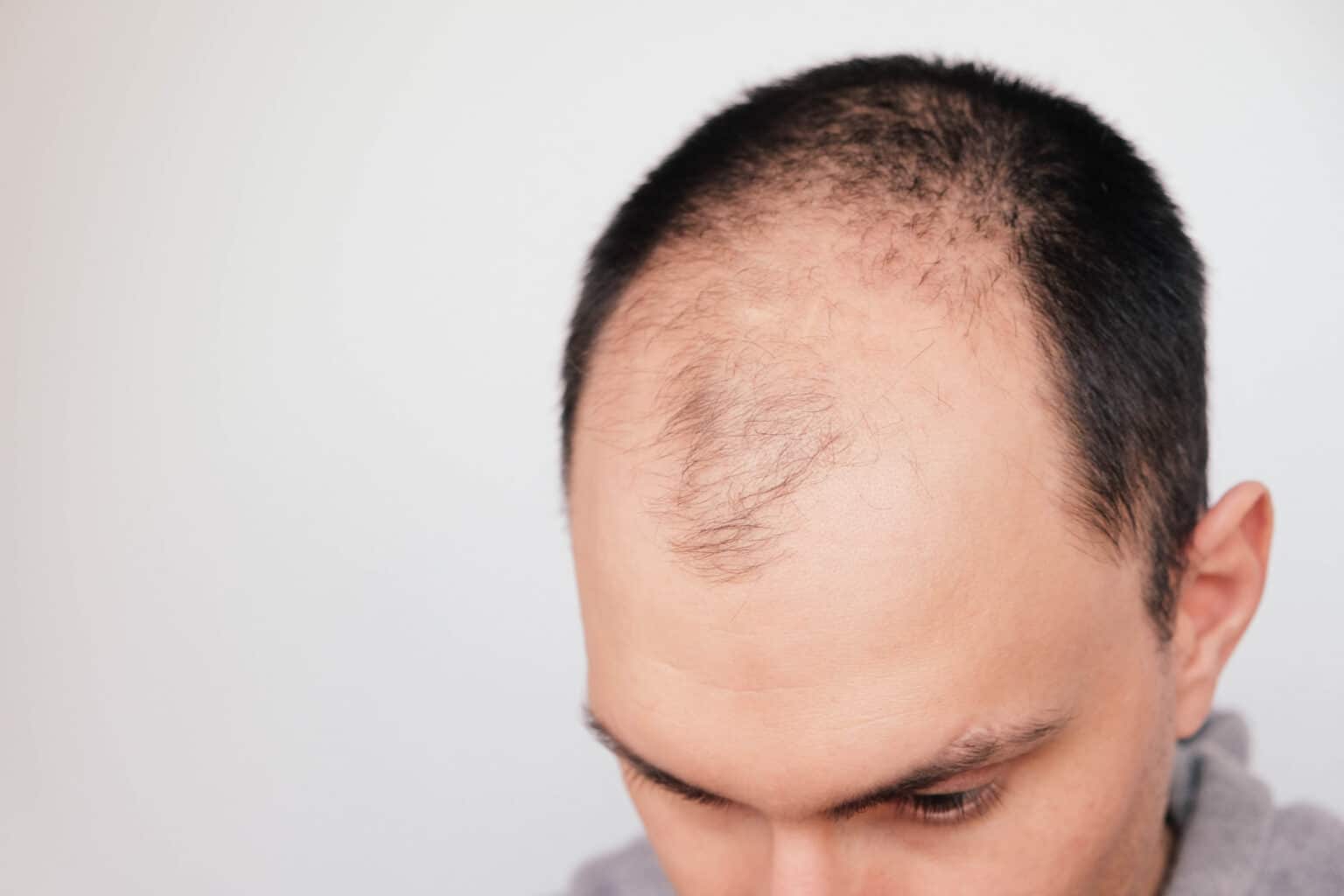
Understanding Hair Loss and the Role of DHT
Hair loss is a common problem that can have a big impact on your confidence and self-esteem. One of the most common causes of hair loss is DHT, or dihydrotestosterone. DHT is a hormone that is produced naturally in the body, and when there is an excess of it, it can cause hair follicles to shrink, leading to hair loss.
Natural Ways to Combat DHT
But don’t worry – there are ways to combat DHT and promote hair growth. Scientific studies have shown that certain natural ingredients can be effective in reducing DHT levels and stimulating hair growth. For example, a study published in the Journal of Cosmetic Dermatology found that saw palmetto extract, a natural DHT blocker, was effective in reducing hair loss in men.
Regrow’s Natural Hair Care Approach
At Regrow, we use a range of natural ingredients, including saw palmetto extract, to combat DHT and promote hair growth. Our hair care range is specially formulated to nourish your scalp and stimulate hair growth, so you can say goodbye to hair loss and hello to healthy, beautiful hair.
Lifestyle Changes That Support Hair Growth
In addition to using our hair care range, there are several lifestyle changes you can make to reduce DHT levels in your body. Regular exercise, a healthy diet, and stress management techniques can all help promote hair growth and reduce DHT levels.
Proven Results Backed by Science
So if you’re experiencing hair loss, don’t despair! With our natural hair care range and a few lifestyle tweaks, you can keep your hair looking fabulous and full. And don’t just take our word for it – scientific studies have shown that these natural ingredients really work! A study published in the Journal of Cosmetic Dermatology found that a hair care product containing natural DHT blockers was effective in reducing hair loss in women with female pattern hair loss.
Our Commitment at Regrow
At Regrow UK, we’re passionate about helping our clients feel confident and beautiful. So why not give our hair care range a try and see the results for yourself?
Who Is Most at Risk of DHT-Related Hair Loss?
Not everyone with DHT will experience hair loss. The main factor is genetic sensitivity. If pattern hair loss runs in your family, your follicles may be more vulnerable to DHT.
DHT-related thinning, medically known as androgenetic alopecia, often appears as a receding hairline or crown thinning in men, and a widening part or overall thinning in women. Early action is important, as follicles gradually shrink over time.
Why Early Treatment Matters
Hair follicles do not stop working immediately. In the early stages, they are still active but weakened. Supporting scalp health and reducing DHT activity during this phase can help maintain stronger, thicker growth.
Understanding the hair growth cycle is key. DHT shortens the active growth phase and increases shedding. The sooner you intervene, the better your chances of protecting healthy hair density.
Frequently Asked Questions
What is DHT and why is it linked to hair loss?
DHT, or dihydrotestosterone, is a hormone derived from testosterone. In people who are genetically sensitive, excess DHT can cause scalp hair follicles to shrink over time, leading to thinner hair and eventual hair loss.
Is DHT-related hair loss common?
Yes. DHT is one of the most common contributors to pattern hair loss in both men and women, including male pattern baldness and female pattern hair loss.
How does DHT affect hair follicles?
DHT binds to receptors in scalp hair follicles and gradually causes them to miniaturise. As follicles shrink, they produce finer, weaker hairs and may eventually stop producing hair altogether.
Who is most at risk of DHT-related hair loss?
Genetic sensitivity is the primary risk factor. If pattern hair loss runs in your family, your follicles are likely more vulnerable to the effects of DHT. In men, this typically appears as a receding hairline or crown thinning, while women more commonly experience a widening part or overall reduction in hair density.
Why does early treatment matter when it comes to DHT and hair loss?
Hair follicles do not stop functioning immediately when DHT begins to affect them. In the early stages they are still active but gradually weakening. Addressing DHT activity and supporting scalp health during this window gives you the best chance of maintaining stronger, thicker hair. Once follicles have significantly miniaturised, recovery becomes much more difficult.
Can natural ingredients and lifestyle changes help reduce the impact of DHT?
Yes, certain natural ingredients such as saw palmetto extract are commonly used in hair care for their role in supporting a balanced scalp environment and limiting DHT activity. Alongside targeted hair care, lifestyle habits such as regular exercise, a nutrient-rich diet, and stress management can also contribute to healthier hormone balance and support the hair growth cycle over time.