

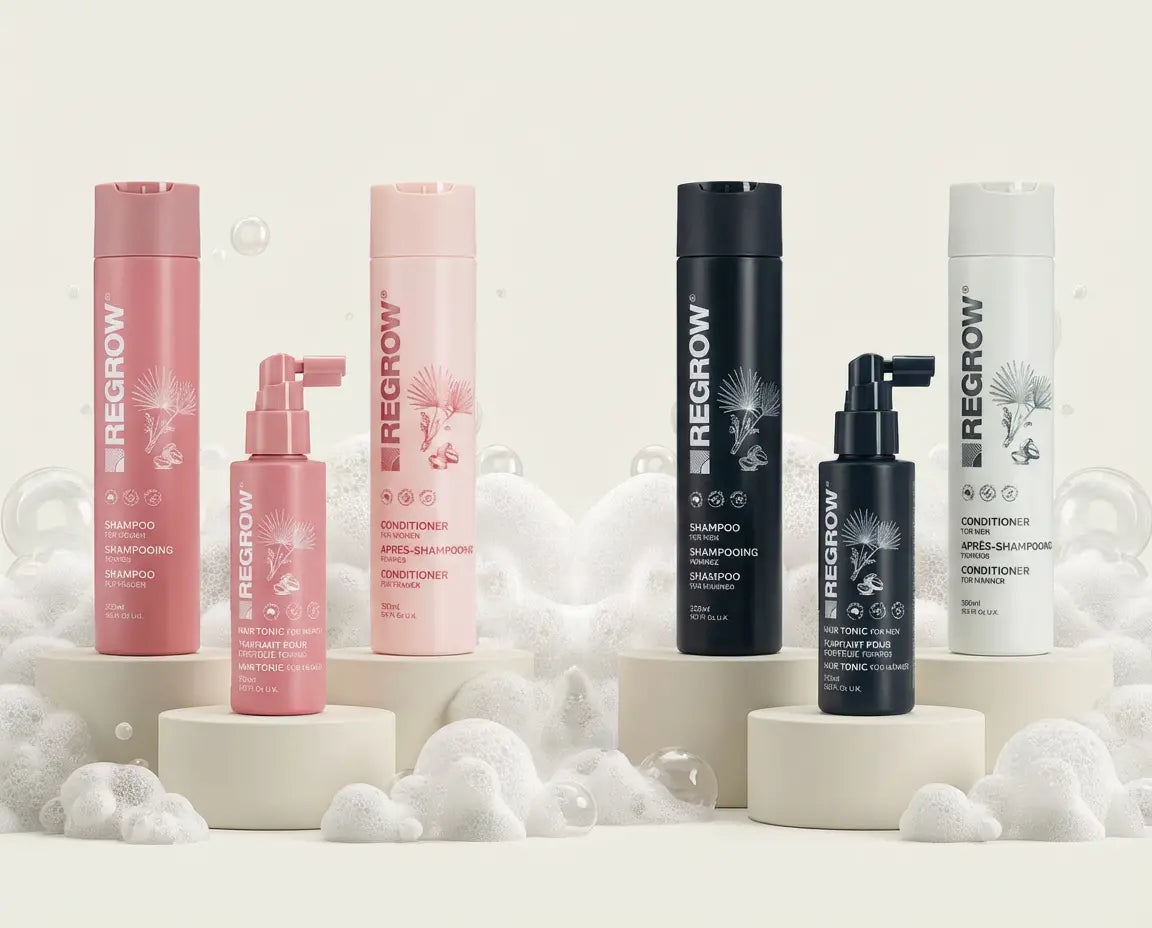
Understanding the types of shampoo and what they do is essential for maintaining healthier hair and a healthy scalp, as different formulas target very different needs depending on hair type, scalp condition, and lifestyle. Not all shampoos are created equal, and using the wrong shampoo for your hair type can lead to issues like scalp irritation, dry and brittle hair, excess oil, or limp hair. Choosing the right shampoo helps protect the hair cuticle, keep hair soft, and support overall hair health as part of a consistent hair care routine.
Why Choosing the Right Shampoo Matters
Hair shampoo is designed to cleanse the hair and scalp, but different formulas target different needs. The right shampoo works with your hair and scalp rather than against it. When matched correctly, shampoo helps maintain natural oils, keeps strands hydrated, and prevents damage to the hair shaft. Using the wrong shampoo can strip hair, disrupt scalp health, and make hair dry or frizzy.
Your hair and scalp condition, along with factors like chemical treatments, styling habits, and environment, all influence which shampoo for your hair will work best.
Everyday and Gentle Shampoos
Everyday Shampoo
Everyday shampoo is formulated for frequent washing. It gently cleanses without aggressively removing natural oils, making it suitable for straight hair, wavy hair, and most normal hair types. These shampoos are ideal for people who wash their hair often and want to maintain balance in their hair and scalp.
Gentle Shampoo
A gentle shampoo is designed for sensitive scalps, dry scalp, or those prone to itchy scalp and scalp irritation. These formulas often avoid harsh ingredients like sodium laureth sulphate and rely on milder cleansing agents to keep hair soft and manageable.
Natural shampoo and sulphate-free shampoos often fall into this category and are well-suited for treated hair or colour-treated hair.
Shampoos for Oily and Fine Hair
Clarifying Shampoo
Clarifying shampoo is used to remove product buildup, excess oil, and pollution residue. Ingredients like apple cider vinegar help with removing excess oil and refreshing the scalp. These shampoos are helpful for oily hair and oily scalp but should not be used daily, as they can leave hair dry if overused.
Volumising and Thickening Shampoo
Volumising shampoo and thickening shampoo are ideal for fine hair and limp hair lacking hair volume. These formulas lift the hair strands at the root without heavy conditioning agents, helping hair look fuller while staying light, explore our men's hair care range to find a shampoo matched to your scalp type and hair texture.
Shampoos for Dry, Damaged, and Treated Hair
Moisturising Shampoo
Moisturising shampoo is best for dry hair, frizzy hair, and dry and brittle hair. These shampoos contain nourishing ingredients such as shea butter that help keep strands hydrated and smooth the hair cuticle, resulting in silky hair and better manageability.
Strengthening Shampoo
Strengthening shampoo supports damaged hair, brittle hair, and hair affected by chemical treatments. It helps reinforce the hair shaft, reduce breakage, and improve hair health without promoting hair growth. This type of shampoo is commonly used for chemically treated hair and overprocessed strands.
Shampoos for Curly, Wavy, and Coily Hair
Curly hair, coily hair, and wavy hair have unique needs due to their curl pattern. These hair types tend to be drier because natural oils do not travel easily along the hair shaft.
Moisturising shampoo and sulfate free shampoos are often the best choice, as they help maintain moisture, reduce frizz, and keep curls defined without stripping the hair. The right shampoo helps curly hair stay soft and manageable while supporting overall hair care, our women's hair care range includes gentle, moisture-supporting formulas suited to a range of curl patterns and hair types.
Shampoos for Coloured and Treated Hair
Purple Shampoo
Purple shampoo is designed for colored hair, particularly blonde, grey, and platinum hair. It helps neutralise yellow tones and maintain cooler shades. Purple shampoo should be used as needed.
Sulfate Free Shampoos
Sulfate free shampoos are ideal for color treated hair and treated hair because they cleanse gently without stripping colour. They also help maintain scalp health and reduce dryness.
Scalp-Focused Shampoos
Dandruff Shampoo
Dandruff shampoo targets scalp flaking, itchy scalp, and ongoing scalp irritation. Ingredients such as zinc pyrithione and tea tree oil help soothe the scalp, target flaking, and support a healthy scalp environment when used as part of a consistent anti-dandruff routine.
Dry Shampoo
Dry shampoo is not a replacement for washing but helps absorb excess oil between washes. It is useful for oily scalp and busy routines, helping hair look fresh without over washing.
However, it is important to be mindful of ingredient quality, particularly with aerosol dry shampoos. Some aerosol formulas have previously been found to contain traces of benzene, a chemical that has been linked in scientific and regulatory discussions to serious health concerns when exposure occurs at certain levels. For this reason, limiting frequent use of aerosol dry shampoos and opting for non-aerosol or carefully formulated alternatives can be a more considered choice for long-term hair and scalp health.
Shampoo Bars and Alternative Formats
A shampoo bar is a solid alternative to liquid shampoo. The best shampoo bar can be effective when it is sulfate free and matched to your hair type. Shampoo bars are popular for travel and low waste hair care routines, but results depend on formulation and proper use.
How Often Should You Shampoo?
How often you wash your hair depends on your scalp type, hair texture, and lifestyle. Oily scalp types may benefit from more frequent washing with a gentle or balancing formula, while dry, curly, or coily hair often needs less frequent cleansing to protect natural oils.
Over washing can strip the scalp and disrupt its natural balance, leading to dryness or excess oil production. Under washing can allow product buildup and excess oil to accumulate, which may affect scalp health.
Finding the right washing frequency is just as important as choosing the right shampoo. When your scalp feels clean but not tight, and your hair feels soft rather than stripped, you have likely found the right balance.
Pasted text
Common Shampoo Mistakes to Avoid
One of the biggest mistakes is assuming the best shampoo works for everyone. Not all shampoos suit all hair types. Using the wrong shampoo can lead to strip hair, scalp irritation, or hair dry and lifeless.
Another common issue is focusing shampoo on the ends instead of the scalp. Shampoo is meant to cleanse the scalp and hair follicles, while conditioner is designed for the lengths. Always rinse thoroughly and leave hair clean, not coated.
Choosing the Best Shampoo for Your Needs
The best shampoo is the one that suits your specific hair types, scalp condition, and lifestyle. Pay attention to how your hair feels after washing. Hair that looks healthy, feels soft, and stays manageable is a sign you have chosen the right shampoo.
Understanding the types of shampoo and what they do helps you make informed hair care choices that support healthier hair over time, browse our full shampoo range to find the right formula for your scalp and hair type.
At REGROW UK, we focus on creating hair care products that support healthy hair and scalp balance as part of an everyday routine. REGROW supports healthy hair by encouraging thoughtful product choices that work with your hair, not against it, helping you build a simple and effective approach to long term hair care.
Frequently Asked Questions
Why is it important to choose the right shampoo? Using the right shampoo helps maintain scalp balance, protect the hair cuticle, and keep hair soft and manageable. The wrong shampoo can strip natural oils, cause dryness or irritation, and leave hair limp or frizzy.
How do I know which shampoo suits my hair type? The best shampoo depends on your hair type, scalp condition, and lifestyle. Fine or oily hair usually benefits from lighter formulas, while dry, curly, or treated hair often needs more moisturising and gentle cleansing options.
What is the difference between everyday and gentle shampoo? Everyday shampoos are designed for frequent use and suit most normal hair types. Gentle shampoos are formulated for sensitive or dry scalps and use milder cleansing agents to reduce irritation and dryness.
What is clarifying shampoo and how often should I use it? Clarifying shampoo is designed to remove product buildup, excess oil, and pollution residue from the scalp. It is helpful for oily hair but should not be used daily, as overuse can leave hair dry and stripped of its natural oils. Using it occasionally as part of a balanced routine is the most effective approach.
Are sulfate-free shampoos better for colour-treated hair? Yes, sulfate-free shampoos are generally the better choice for colour-treated hair. Sulfates can strip colour molecules from the hair shaft, causing dye to fade faster. A sulfate-free formula cleanses more gently, helping preserve colour vibrancy and reducing dryness between salon visits.
What common shampoo mistakes should I avoid? Two of the most common mistakes are using a shampoo that does not match your hair type and applying shampoo to the ends of your hair rather than the scalp. Shampoo is designed to cleanse the scalp and hair follicles, while conditioner is meant for the lengths. Rinsing thoroughly after washing is also important to avoid residue that can weigh hair down or cause buildup.
Is dry shampoo a safe alternative to regular washing? Dry shampoo can be a useful tool for absorbing excess oil between wash days, but it should not replace regular washing entirely. Some aerosol dry shampoos have previously been found to contain traces of concerning chemicals, so limiting frequent aerosol use and choosing carefully formulated non-aerosol alternatives where possible is a more considered approach for long-term scalp health.